
staceyoneal33
staceyoneal33
Peptides for Sale: A Complete Study on Peptide Labs And Their Offerings
Peptides have gained significant consideration in recent times because of their various functions in analysis, medicine, and health. As small chains of amino acids, peptides play crucial roles in varied biological processes, making them worthwhile for therapeutic interventions and efficiency enhancement. This research report explores the marketplace for peptides, specializing in the offerings from peptide labs, their high quality, regulatory concerns, and the implications for shoppers.
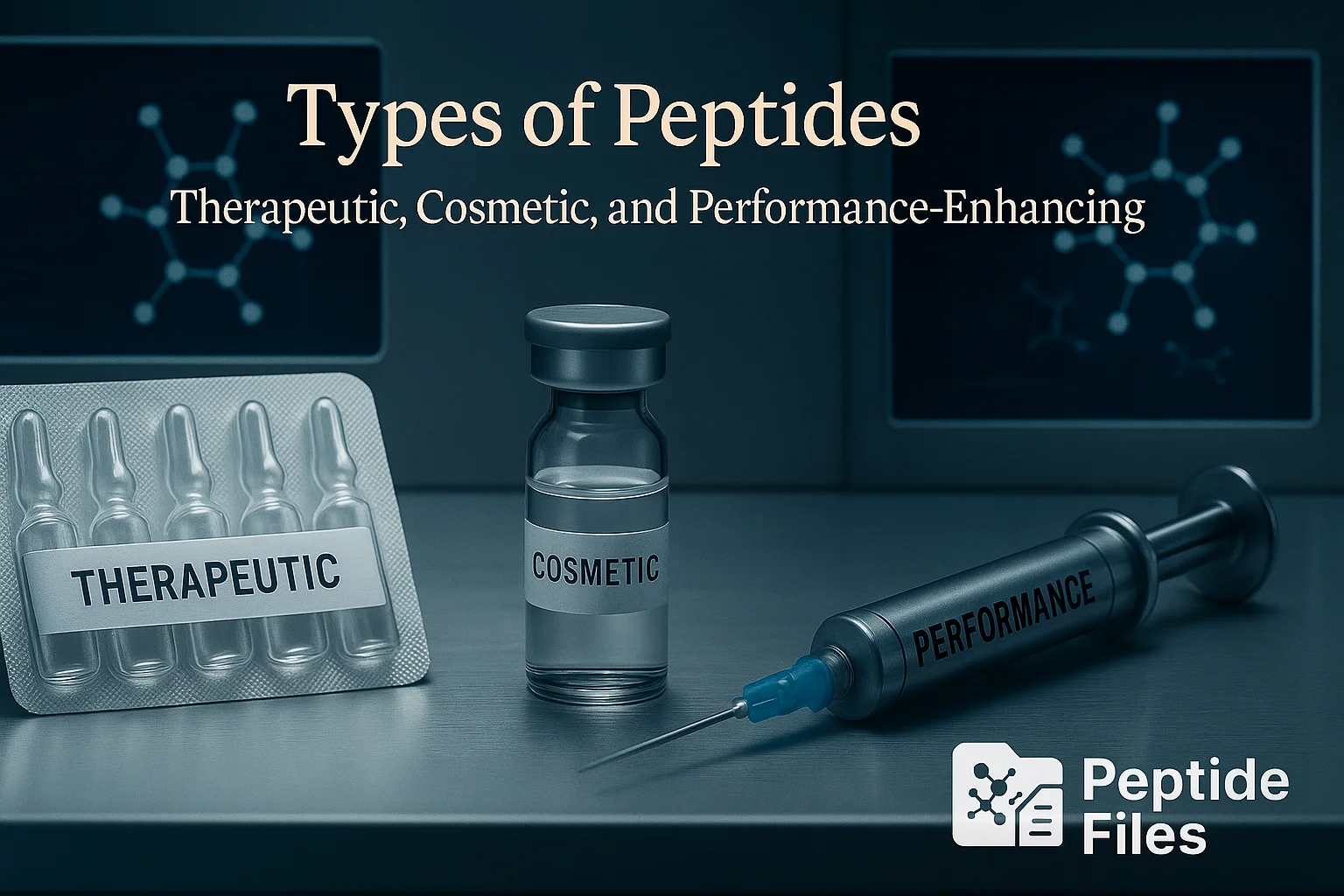
Understanding Peptides
Peptides are quick sequences of amino acids linked by peptide bonds. They’ll vary from just two amino acids to a number of dozen, forming a broad category of biomolecules. Their functions are vast, together with performing as hormones, neurotransmitters, and signaling molecules. Within the context of therapeutic purposes, peptides have been used for drug improvement, with many accredited for clinical use, comparable to insulin and sure cancer therapies.

The Rise of Peptide Labs
The increasing interest in peptides has led to the emergence of quite a few peptide laboratories that specialize in the synthesis and sale of those compounds. These labs cater to a variety of consumers, including researchers, pharmaceutical companies, and health fans. The availability of peptides on the market has expanded rapidly, driven by developments in peptide synthesis technologies and a rising understanding of their potential advantages.
Kinds of Peptides Out there
Peptide labs typically offer quite a lot of peptides, categorized into several groups based mostly on their intended use:
- Analysis Peptides: These are primarily bought to academic and industrial researchers for experimental functions. They embrace signaling peptides, growth elements, and other bioactive compounds utilized in various research.
- Therapeutic Peptides: Some labs provide peptides which are both approved for clinical use or in various phases of clinical trials. These peptides are often used for treating conditions such as diabetes, cancer, and hormonal disorders.
- Fitness and Performance Peptides: A significant portion of the peptide market is dedicated to health fanatics and athletes. Peptides like progress hormone-releasing peptides (GHRPs) and insulin-like progress issue (IGF-1) are in style amongst these wanting to boost muscle progress, fats loss, and restoration.
High quality and Purity Considerations
One of the most crucial components when purchasing peptides is the quality and purity of the product. Reputable peptide labs adhere to stringent quality control measures, together with:
- Synthesis Methods: Excessive-quality labs utilize superior synthesis methods akin to stable-section peptide synthesis (SPPS) and liquid-part peptide synthesis (LPPS) to ensure the production of pure and stable peptides.
- Analytical Testing: Peptides ought to endure rigorous testing, together with mass spectrometry and excessive-efficiency liquid chromatography (HPLC), to affirm their id, purity, and focus.
- Certificates of Analysis (CoA): Dependable peptide suppliers present CoAs for his or her merchandise, detailing the outcomes of analytical checks and confirming the standard of the peptides.
Regulatory Concerns
The regulatory panorama for peptides varies significantly relying on their meant use. Research peptides are generally less regulated, allowing labs to promote them with fewer restrictions. However, therapeutic peptides are subject to rigorous regulatory scrutiny by companies such as the U.S. Food and Drug Administration (FDA).
For health and performance peptides, the scenario is extra complicated. Many of those peptides aren’t accredited for human use and could also be classified as research chemicals. Athletes needs to be notably cautious, as the usage of sure peptides can result in violations of anti-doping rules.
Ethical and Safety Implications
The sale and use of peptides increase several ethical and safety considerations. The potential for misuse, particularly in the health industry, has led to calls for stricter regulations. Consumers may be unaware of the dangers associated with unregulated peptide use, together with opposed health effects and authorized repercussions.
Additionally, the lack of oversight can lead to the proliferation of counterfeit or substandard products out there. Customers should train warning when buying peptides, guaranteeing they buy from reputable labs that prioritize quality and transparency.
Market Traits and Future Directions
The peptide market is expected to continue rising, pushed by rising research investments and the increasing purposes of peptides in drugs and health. Rising tendencies embrace:
- Personalized Medication: As our understanding of genomics and proteomics advances, there’s a rising interest in personalised peptide therapies tailor-made to individual patients’ wants.
- Novel Peptide Structures: Researchers are exploring new peptide designs, such as stapled peptides and cyclic peptides, which can provide enhanced stability and bioactivity.
- Peptide Supply Systems: Innovations in drug delivery strategies, including nanotechnology and biodegradable carriers, are being developed to improve the efficacy of peptide-primarily based therapies.
Conclusion
Peptides for sale from peptide labs symbolize a dynamic and rapidly evolving market with vital implications for analysis, medication, and health. While the potential benefits of peptides are substantial, shoppers must navigate the complexities of high quality, regulation, and safety. As the field continues to advance, it is essential for stakeholders to prioritize ethical practices and make sure that the peptides out there for sale meet the best requirements of high quality and safety. With responsible use and ongoing research, peptides hold the promise of reworking varied aspects of well being and efficiency within the years to come.