guillermotalli
guillermotalli
Payday Loans For Bad Credit Instant Approval: An Observational Evaluation
Payday loans are a type of quick-time period borrowing that has gained reputation among individuals dealing with monetary difficulties, particularly those with bad credit score. These loans are usually smaller in amount and are meant to be paid again on the borrower’s next payday. This text explores the landscape of payday loans for individuals with dangerous credit, specializing in the instant approval process, its implications, and the broader context of client monetary health.
The nature of Payday Loans
Payday loans are sometimes characterized by their high-curiosity charges and quick repayment periods. In case you loved this information and you would like to receive details concerning payday loans for bad credit instant approval assure visit our own web-site. For those with poor credit score histories, conventional credit choices equivalent to bank loans or credit playing cards will not be obtainable. This creates a significant gap in monetary services for lower-earnings people or those going through monetary emergencies. Because of this, payday lenders fill this gap, providing fast entry to cash, albeit with substantial dangers.
Instant Approval Course of
One of the defining features of payday loans is the instant approval process. Often, this course of is advertised as a solution for many who require cash urgently. The appliance process is usually streamlined and will be completed on-line, requiring minimal documentation similar to proof of earnings and identification. Normally, lenders don’t perform rigorous credit score checks, making it accessible for individuals with unhealthy credit score.
Observational Insights
Shopper Demographics
In observing the clientele of payday lenders, it becomes evident that a big portion of borrowers come from low-revenue backgrounds. Many display patterns of chronic underemployment, which exacerbates their financial instability. Additionally, demographic evaluation reveals that marginalized communities are disproportionately affected, reflecting broader socio-economic disparities. This highlights a systemic challenge where vulnerable teams are sometimes left with few viable monetary alternatives.
Borrower Behaviors
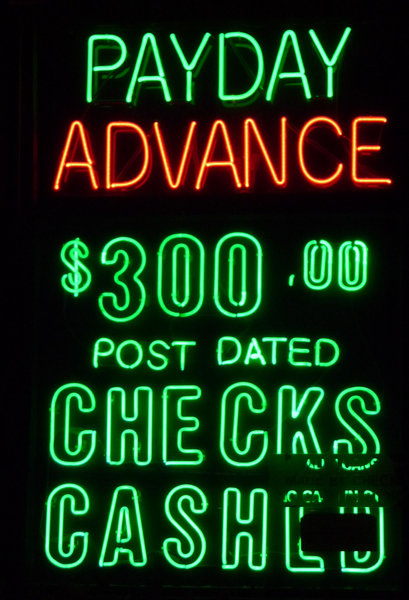
Research signifies that borrowers ceaselessly take out a number of payday loans in quick succession, a apply generally known as “loan stacking.” This behavior is often precipitated by unexpected bills that come up, corresponding to medical bills or car repairs. Observational data means that individuals end up in a cycle of debt, as the high costs related to payday loans result in an inability to repay on time. For instance, a borrower might take out a loan of $300 with a repayment of $390 due on their next payday. Failing to repay could lead to additional borrowing, creating a steady debt cycle.
The Monetary Implications
The monetary implications of payday loans extend beyond the fast costs. Whereas they provide fast liquidity, the excessive-curiosity charges can result in monetary disarray. For instance, if a borrower fails to repay their loan on time, the lender might offer an extension, often adding additional fees and curiosity. This will lead to a state of affairs where borrowers pay back significantly more than they initially borrowed, undermining their monetary state of affairs in the long run.
As well as, the impact on credit scores will be paradoxical. Whereas payday lenders don’t sometimes report to credit bureaus, the failure to repay a loan can lead borrowers to collections businesses, which might severely affect their credit scores. This creates a vicious cycle, additional entrenching them in unhealthy credit score territory and limiting their access to higher monetary choices.
Regulatory Framework
Regulatory responses to payday loans have different significantly. Some states have implemented strict regulations and caps on interest rates for payday lenders, whereas others have minimal oversight. Observations from states with stringent rules counsel that consumers typically turn to illicit lending practices when authorized options are restricted. This factors to a critical need for a balanced regulatory approach that protects consumers while additionally guaranteeing access to obligatory monetary companies.
Consumer Consciousness and Training
Another essential aspect of the payday loan landscape is shopper consciousness. Many people looking for payday loans lack a complete understanding of the terms associated with these loans. The instant approval process can create a false sense of security, as borrowers could not totally grasp the implications of high-curiosity charges and short repayment terms. Observational analysis reveals that financial literacy programs that educate customers about managing credit score and understanding lending practices might considerably cut back reliance on payday loans.
Alternate options to Payday Loans
Given the potential pitfalls related to payday loans, exploring alternate options is crucial. Neighborhood banks and credit unions might provide small loans with better phrases and lower fees, accessible even to these with unhealthy credit score. Additionally, nonprofit organizations might provide emergency help applications designed to assist people in financial distress without burdening them with exorbitant fees.
Conclusion
The observational research of payday loans for bad credit with on the spot approval reveals a complex interplay of socio-financial components, client conduct, and regulatory frameworks. While these loans supply fast relief to these facing financial difficulties, they often come at a major price that can perpetuate a cycle of debt. Enhanced consumer training and the availability of alternate options might mitigate the adverse impression of payday loans, finally leading to healthier financial habits and improved economic outcomes for weak people. By addressing the foundation causes of monetary instability and increasing entry to reasonably priced credit options, society can work in the direction of a more equitable monetary landscape for all.