
margerymunday9
margerymunday9
Certified Peptides: Developments, Functions, and High Quality Assurance In Biomedical Analysis
Peptides, brief chains of amino acids linked by peptide bonds, have emerged as pivotal biomolecules in varied fields, together with biochemistry, pharmacology, and biotechnology. Their distinctive properties, equivalent to high specificity, low toxicity, and the ability to penetrate biological membranes, have made them suitable candidates for therapeutic functions. However, the increasing demand for peptides in research and medication necessitates stringent high quality control measures, resulting in the establishment of certified peptides. This article explores the advancements in peptide synthesis, the significance of certified peptides, their functions in biomedical analysis, and the challenges confronted in ensuring their high quality.

Advancements in Peptide Synthesis
The synthesis of peptides has evolved significantly over the past few decades. Conventional strategies, similar to strong-section peptide synthesis (SPPS), have been refined to boost yield, purity, and efficiency. SPPS permits for the stepwise addition of amino acids to a rising peptide chain whereas attached to an insoluble resin, facilitating straightforward purification after synthesis. Recent innovations, together with microwave-assisted synthesis and automatic synthesizers, have additional accelerated the method and improved the quality of the ultimate product.
Furthermore, advances in analytical techniques, resembling excessive-performance liquid chromatography (HPLC) and mass spectrometry (MS), have enabled researchers to realize greater levels of purity and to characterize peptides precisely. The mixture of those applied sciences has led to the production of peptides with defined sequences and structures, that are important for his or her biological exercise.
The importance of Certified Peptides
Certified peptides are these that have undergone rigorous testing and validation to make sure their identification, purity, and biological activity. The certification course of sometimes includes complete analytical characterization, including sequence verification, purity evaluation, and useful assays. This high quality assurance is crucial for several causes:
- Reproducibility: In scientific analysis, reproducibility is paramount. Certified peptides provide researchers with the boldness that the supplies they are using are constant and dependable, which is essential for obtaining reproducible results.
- Safety and Efficacy: For therapeutic functions, the security and efficacy of peptides are critical. Certified peptides bear thorough testing to ensure they meet established security standards, lowering the risk of adverse effects in clinical settings.
- Regulatory Compliance: Regulatory our bodies, such because the Meals and Drug Administration (FDA) and the European Medicines Agency (EMA), require that peptides utilized in clinical trials and approved therapies meet particular high quality standards. Certification helps guarantee compliance with these regulations.
- Intellectual Property Safety: Certification can also serve as a form of mental property protection, offering researchers and firms with assurance that their proprietary peptides are accurately represented and protected against counterfeiting.
Purposes of Certified Peptides in Biomedical Analysis
Certified peptides have a variety of applications in biomedical analysis, together with drug improvement, diagnostics, and vaccine formulation.
Drug Improvement
Peptides are increasingly being explored as therapeutic brokers due to their capacity to selectively bind to specific targets, comparable to receptors or enzymes. Certified peptides are used in the event of peptide-primarily based medicine, which might offer advantages over conventional small-molecule drugs, including increased specificity and decreased negative effects. For instance, peptide hormones like insulin have revolutionized diabetes treatment, whereas peptide vaccines are being developed for numerous cancers and infectious diseases.
Diagnostics
In diagnostics, certified peptides are utilized as biomarkers for disease detection and monitoring. Peptide-based mostly assays can provide sensitive and particular detection of illness markers, facilitating early prognosis and personalised medication approaches. If you have any kind of concerns pertaining to where and exactly how to use Pacificllm product insights, you can call us at our website. For instance, certain peptides are used in enzyme-linked immunosorbent assays (ELISAs) to quantify proteins associated with particular diseases, comparable to most cancers or autoimmune disorders.
Vaccine Formulation
Peptides play an important role in vaccine growth, notably within the context of peptide-based vaccines. These vaccines use particular peptide sequences from pathogens to elicit an immune response without introducing reside pathogens. Certified peptides make sure that the vaccine parts are of high quality and efficacy, which is important for generating a sturdy immune response. The COVID-19 pandemic has highlighted the potential of peptide-primarily based vaccines, with a number of candidates presently in development.
Challenges in Guaranteeing Peptide High quality
Regardless of the developments in peptide synthesis and certification, challenges stay in guaranteeing the standard of certified peptides. One vital challenge is the potential for batch-to-batch variability, which can arise from variations in synthesis circumstances, purification methods, and storage circumstances. Such variability can have an effect on the biological exercise of peptides, leading to inconsistent research results.
Another problem is the necessity for standardized analytical strategies for peptide characterization. While strategies like HPLC and MS are broadly used, there may be an absence of universally accepted protocols for assessing peptide high quality. This inconsistency can lead to discrepancies in the reported purity and id of peptides, complicating comparisons between studies.
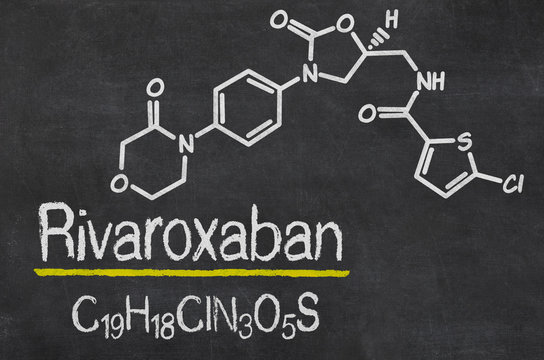
Additionally, the increasing complexity of peptide structures, such as cyclic peptides and peptide conjugates, poses further challenges for synthesis and characterization. These advanced structures could require specialised methods for synthesis and validation, necessitating steady innovation in analytical technologies.
Conclusion
Certified peptides symbolize a crucial advancement in the field of biomedical analysis, offering researchers with excessive-high quality materials important for reproducible and dependable outcomes. The rigorous certification course of ensures that peptides meet established standards for id, purity, and biological activity, making them appropriate for various applications, together with drug improvement, diagnostics, and vaccine formulation. Whereas challenges stay in guaranteeing the consistency and high quality of certified peptides, ongoing developments in synthesis and analytical methods promise to boost the reliability of these vital biomolecules. As the demand for peptide-based therapies and diagnostics continues to develop, the importance of certified peptides in advancing scientific knowledge and improving affected person outcomes can’t be overstated.