
consueloallnut
consueloallnut
Exploring the Marketplace for Peptides: A Case Examine On Certified Suppliers
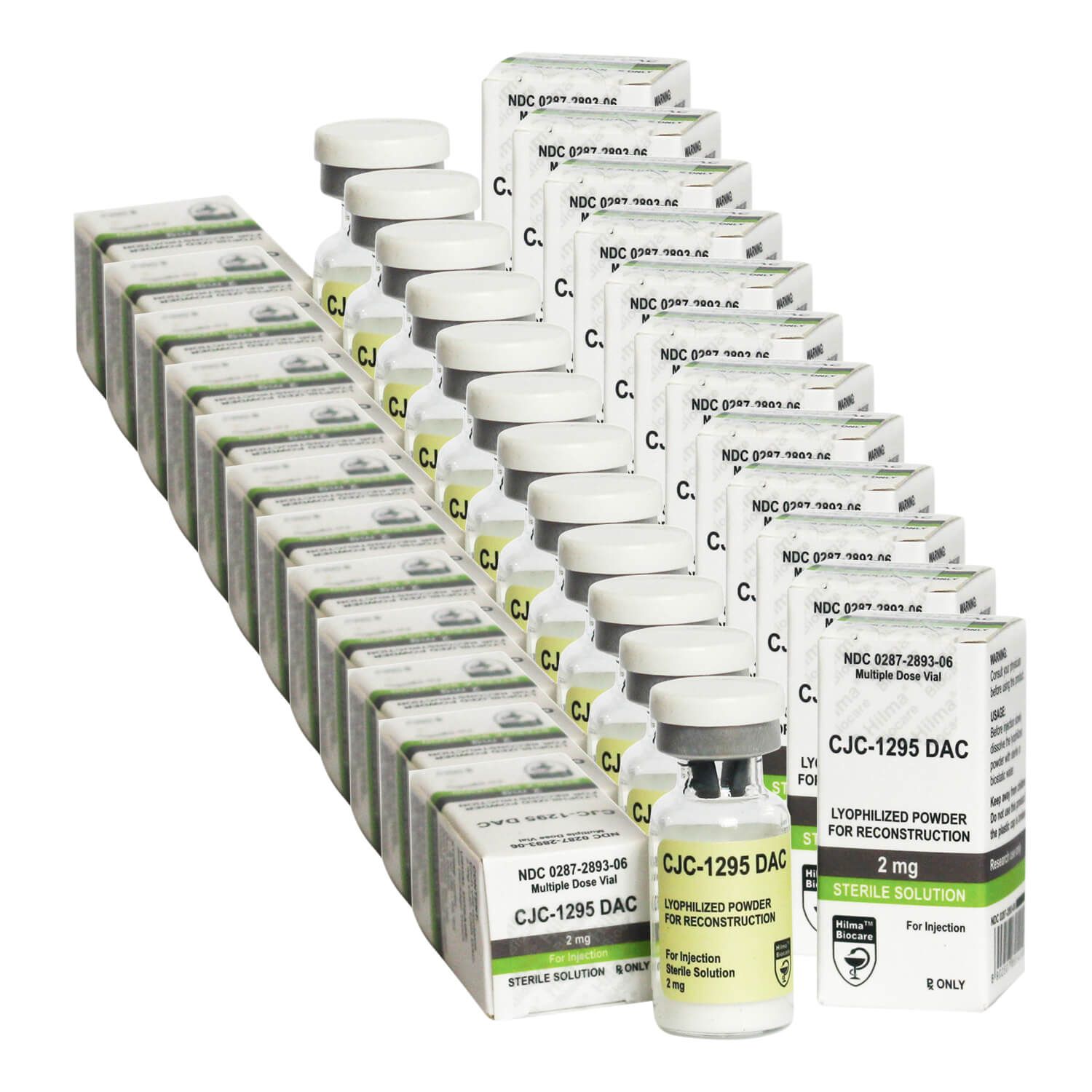
Peptides have gained significant attention lately, significantly within the fields of health, health, and analysis. These short chains of amino acids are important for numerous biological functions, and their potential advantages have led to a burgeoning marketplace for peptide merchandise. This case research explores the panorama of peptides for sale from certified suppliers, examining the factors that contribute to their popularity, the importance of certification, and the implications for customers and researchers alike.

Understanding Peptides
Peptides are molecules composed of two or extra amino acids linked by peptide bonds. They play essential roles in numerous biological processes, including hormone regulation, immune response, and cellular signaling. The versatility and specificity of peptides have made them priceless in therapeutic functions, akin to in the remedy of diabetes, most cancers, and different chronic diseases. Moreover, their use within the health trade, significantly for muscle development and restoration, has further fueled curiosity in peptide products.
The Rise of Peptide Suppliers
As the demand for peptides has elevated, so too has the number of suppliers offering these merchandise. The market is characterized by a mixture of established pharmaceutical corporations, biotech firms, and smaller area of interest suppliers. The rise of online platforms has additionally made it easier for customers to access a wide range of peptide merchandise. However, this proliferation of suppliers has raised concerns about product high quality, security, and authenticity.
Importance of Certification
One in all the key factors that consumers ought to consider when buying peptides is the certification of suppliers. Certified suppliers adhere to strict quality management standards and regulatory guidelines, guaranteeing that their products are protected, efficient, and accurately labeled. Certification typically comes from recognized authorities, such as the Meals and Drug Administration (FDA) within the United States or comparable organizations in other countries.
Certified suppliers sometimes endure rigorous testing and validation processes to ensure the purity and potency of their peptides. This contains assessments for contaminants, reminiscent of heavy metals and microbial pathogens, as well as verification of the peptide’s construction and focus. By choosing certified suppliers, shoppers can mitigate the dangers related to counterfeit or substandard merchandise, which might have severe well being implications.
Case Examples of Certified Suppliers
- Peptide Sciences: Based within the United States, Peptide Sciences is a well known provider that makes a speciality of excessive-quality analysis peptides. The company emphasizes transparency and quality assurance, providing detailed product data and third-social gathering lab testing outcomes. Their commitment to certification and high quality has earned them a strong fame amongst researchers and fitness fans alike.
- Genetic Technologies: This provider focuses on the synthesis of customized peptides for research purposes. Genetic Technologies is certified under Good Manufacturing Practices (GMP), ensuring that their merchandise meet stringent high quality requirements. Their in depth catalog consists of a wide range of peptides for various purposes, making them a reliable source for researchers in various fields.
- Amino Asylum: Known for its wide selection of peptides and research chemicals, Amino Asylum is another certified supplier that has gained popularity in the health community. The corporate gives comprehensive product descriptions, including detailed specifications and lab outcomes. Their dedication to quality and customer service has made them a preferred selection for many customers seeking peptides for efficiency enhancement.
The buyer Perspective
From a consumer perspective, the availability of peptides from certified suppliers presents numerous benefits. Firstly, certified products present a way of security, as customers can trust that they’re receiving high-high quality, secure, and efficient peptides. This is especially necessary for people utilizing peptides for therapeutic or efficiency-enhancing purposes, as the implications of using contaminated or substandard merchandise might be severe.
Moreover, certified suppliers often supply academic sources and buyer support, helping customers make informed selections about their purchases. This includes guidance on dosage, utilization, and potential side effects, which can be invaluable for individuals new to peptide use.
Challenges within the Peptide Market
Despite the advantages of buying peptides from certified suppliers, challenges remain out there. One major problem is the prevalence of unregulated or counterfeit products. The ease of online buying has led to a surge in suppliers that may not adhere to the identical high quality requirements as certified companies. This can lead to consumers inadvertently purchasing ineffective or dangerous merchandise.
Moreover, the regulatory landscape surrounding peptides is advanced and varies by area. In some nations, sure peptides could also be classified as controlled substances, while in others, they may be available for analysis functions only. This inconsistency can create confusion for consumers and complicate the purchasing course of.
Future Developments within the Peptide Market
Looking forward, the peptide market is expected to proceed rising, driven by developments in biotechnology and growing interest in personalized medication. As analysis into the therapeutic potential of peptides expands, new purposes are likely to emerge, additional fueling demand.
Certified suppliers will play a vital role on this progress, as consumers more and more search reliable sources for his or her peptide needs. To stay aggressive, suppliers might have to put money into superior quality control measures, enhance transparency, and supply instructional assets to build belief with their clients.
Conclusion
The market for peptides is evolving rapidly, with certified suppliers at the forefront of ensuring product high quality and safety. As customers develop into more conscious of the importance of certification, the demand for reputable suppliers is likely to develop. By prioritizing high quality and transparency, certified suppliers can assist customers navigate the complex panorama of peptides, in the end contributing to safer and simpler use of those highly effective molecules. As the field continues to advance, the collaboration between researchers, suppliers, and customers will likely be essential in unlocking the full potential of peptides in health and medicine.